Property Advice
-
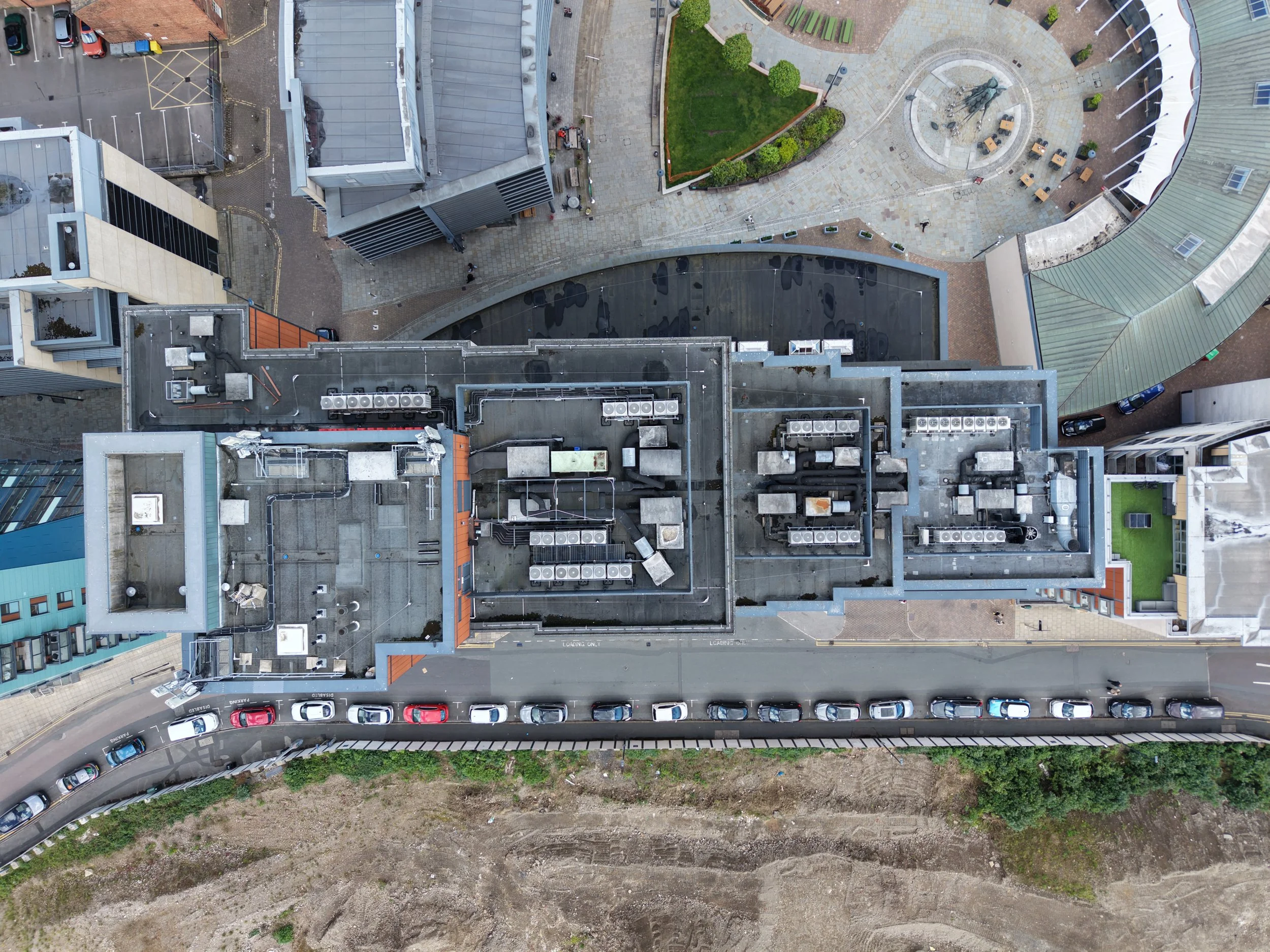
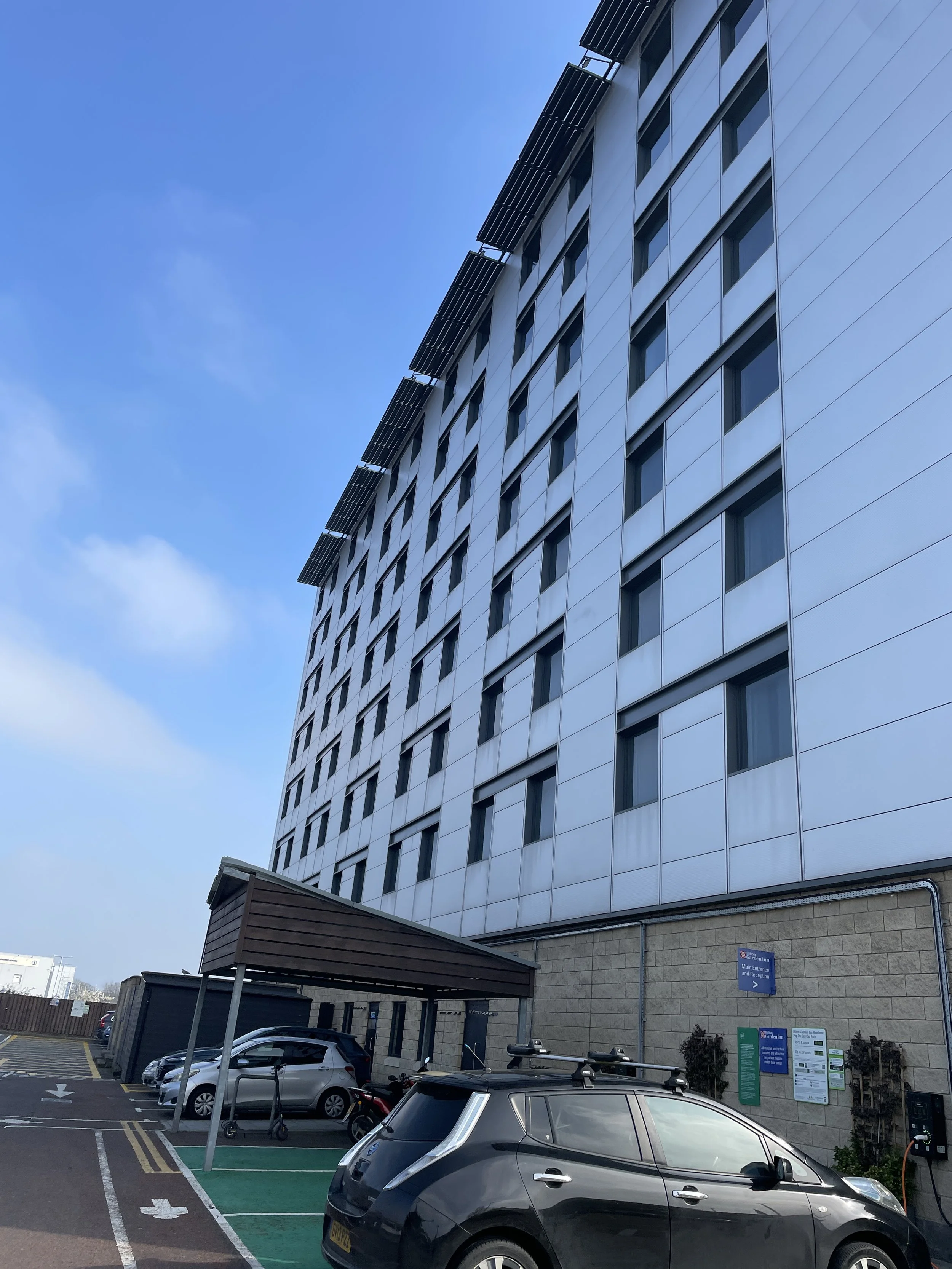
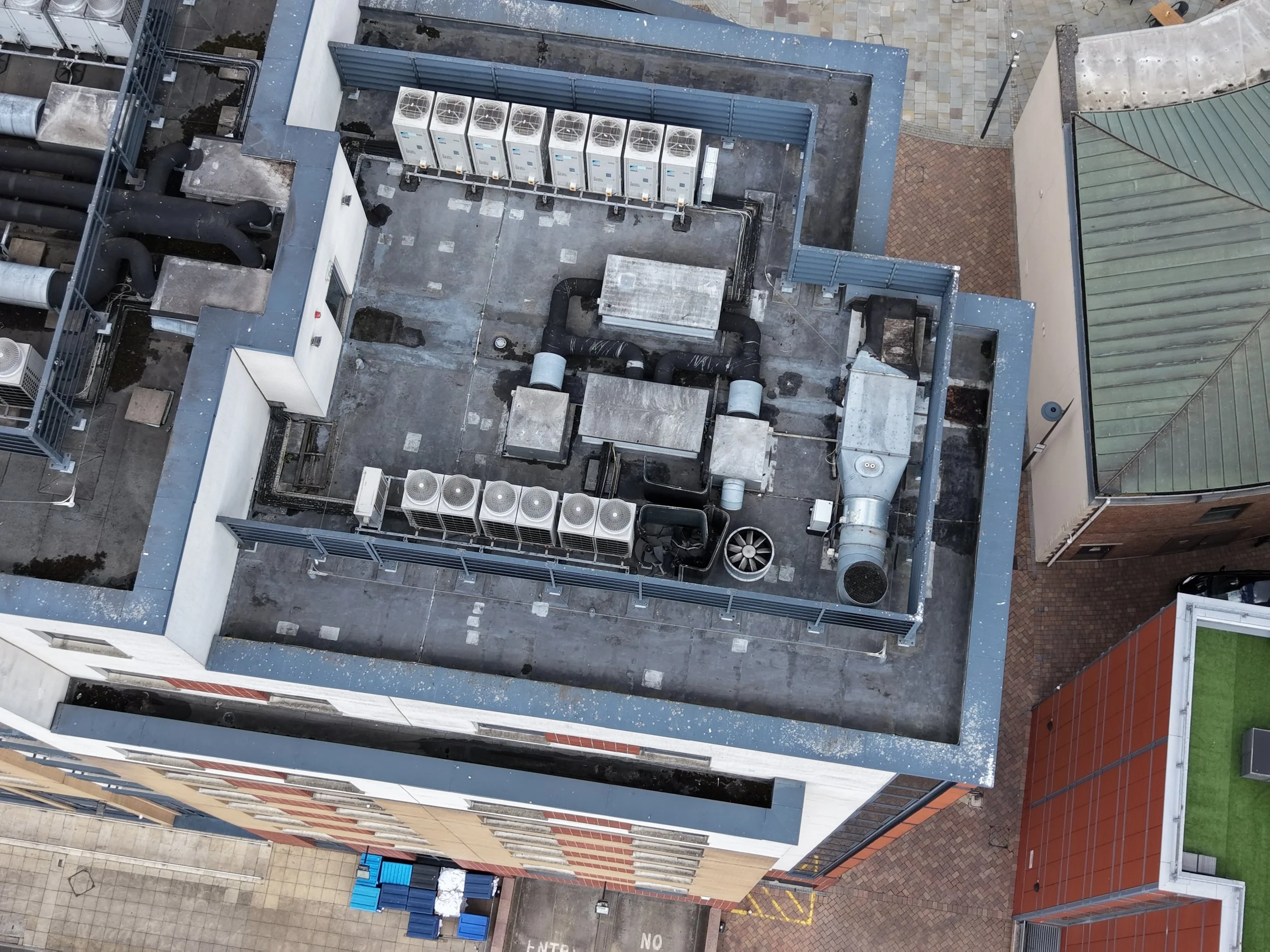
At Hilton Garden Inn Heathrow, Pandox set out to modernise ageing mechanical systems as part of a wider estate-wide decarbonisation programme. The objective was clear: replace obsolete rooftop plant with a more efficient, future-ready solution that would improve performance, reduce operational carbon, and support long-term asset resilience - all while working within the constraints of a fully operational hotel and a highly regulated airport environment.
We were engaged to Project and Contract Manage, secure planning and Building Control and support the technical case for landlord consent, ensuring the proposals were robust, practical and aligned with both operational and sustainability goals.
The Challenge
The existing heating and ventilation infrastructure at the hotel had become outdated and increasingly unsuitable for long-term operational needs. Legacy rooftop condensers included redundant and relocated units, and the overall system no longer reflected the performance strategy required for a modern hospitality asset.
The project also came with a number of important constraints. The hotel needed to remain operational throughout the works, with disruption to guests and staff kept to a minimum. The site sits within Heathrow’s safeguarded zone, meaning access, lifting operations and external works had to be carefully planned and coordinated. In addition, any replacement strategy needed to satisfy landlord requirements around structure, waterproofing, visual impact, compliance and long-term maintainability.
Our Approach
Our role was to help translate a technically complex infrastructure upgrade into a clear, structured and commercially grounded case for approval.
The proposed solution centred on the removal of the existing rooftop mechanical plant and the installation of a new air source heat pump system using Mitsubishi Electric QAHV/QDAN modules. The design was developed to suit the spatial constraints of the roof, maintain efficient access for maintenance, and support the hotel’s heating demand through a modular, high-efficiency arrangement.
The proposal addressed all enabling works required to deliver the installation safely and effectively, from access planning and craneage through to penetrations, waterproofing, anti-vibration measures and making good.
Throughout the process, the focus remained on balancing engineering practicality with operational sensitivity. The solution needed to work on paper, on site and for the long-term benefit of the asset.
Managing Complexity on a Live Site
One of the key strengths of the project was the way technical delivery was considered alongside live operational realities. Working within an operating hotel meant noisy works, access restrictions and installation sequencing all needed to be planned with care. A zoning strategy was developed to minimise disruption, with works phased and positioned away from occupied areas wherever possible.
External installation logistics added another layer of complexity. Because the hotel lies within Heathrow’s safeguarded zone, any crane operations had to comply fully with Heathrow Airport Limited’s permit process and associated aviation controls. This required early consideration of access routes, lifting strategy, permissions and contractor coordination.
By addressing these factors upfront, the project team was able to present a credible and deliverable route to implementation rather than simply a theoretical design.
The Outcome
The proposed upgrade provides clear added value to the building. It replaces obsolete infrastructure with a more efficient and resilient heating solution, supports Pandox’s wider carbon reduction commitments, and improves the long-term performance of a strategically important hotel asset.
From a landlord and asset perspective, the scheme offers more than a like-for-like plant replacement. It represents a considered investment in building quality, operational reliability and future compliance. From a sustainability perspective, it supports a broader transition towards lower-carbon hotel operations, helping future-proof the asset against rising energy costs and tightening environmental expectations.
Key Project Highlights
· Replacement of obsolete rooftop plant with a modern air source heat pump solution
· Integration of new internal plant room infrastructure, including AHUs, buffer vessels and pump sets
· Design developed for a live hotel environment with minimal operational disruption
· Careful coordination of access and craneage within Heathrow’s safeguarded zone
· Limited visual impact and a layout tailored to the existing roof constraints
· Strong alignment with wider ESG, carbon reduction and asset resilience objectives
-
This Grade II listed period property looked like a strong opportunity from the outset: a distinctive building with plenty of character, a desirable setting, and good access to regional attractions and transport. But, as is often the case with heritage assets, the opportunity came with a fair amount of complexity.
Our brief was to assess whether it could work as a premium, low-turnover serviced accommodation investment and, just as importantly, whether it could do so at the right price.
The challenge
At first glance, it had many of the things investors tend to look for: architectural character, generous internal space, dedicated parking, and a setting with demand supported by leisure, cultural and event-driven activity.
However, the investment case wasn’t straightforward. The property’s listed status created real constraints around alterations, compliance upgrades and operational flexibility. There were also important questions around planning, fire safety, refurbishment costs, and the long-term viability of a serviced accommodation model in a quiet village setting.
The client needed more than a broad opinion - they needed a clear, commercially grounded appraisal that balanced opportunity with risk.
Our approach
We carried out a hybrid investment appraisal that combined:
· local market and demand analysis
· serviced accommodation trading assumptions
· planning and listed-building considerations
· operational and compliance review
· yield-based pricing analysis
· residential exit and downside assessment
Rather than relying on optimistic headline returns, we focused on the factors that matter most in a real acquisition decision: net operating income, capital expenditure, execution risk and pricing discipline.
What we found
Our analysis suggested it could perform well as a premium, experience-led serviced accommodation offering, aimed at leisure stays, family gatherings and event-related bookings rather than high-frequency short lets.
Its heritage appeal, scale and access to nearby attractions gave it a strong position in a market with relatively limited direct competition. Based on a mid-case scenario, we projected:
· Gross annual revenue: in the region of £150,000
· Net operating income: in the region of £90,000
· Estimated refurbishment cost: likely to be in excess of £200,000
· Likely post-refurbishment value: around the low- to mid-£1m range
That said, the opportunity was clearly capex-intensive and management-heavy. Planning uncertainty, listed-building constraints and higher operational demands meant that success would depend on a careful operating model and disciplined acquisition pricing.
The commercial conclusion
The key question was not simply whether the property could work—but what it was worth paying for it given the risks involved.
Using yield-based pricing, we identified that:
· at a 9% net yield, a sensible maximum acquisition price sat in the high-£700,000s to low-£800,000s
· at an 8% yield, the deal could support a figure in the low-£900,000s
· at the quoted price level, the investment could work at the lower yield threshold, but offered less protection against planning, heritage and execution risk
Our recommendation was clear: the deal was viable, but only within a disciplined pricing envelope and with a premium, low-turnover operating strategy.
The outcome
The appraisal gave the client a realistic framework for decision-making. Instead of pursuing the asset based on headline appeal alone, they were able to assess it through a more strategic lens - understanding both its upside and the conditions required for it to perform.
Most importantly, the report helped define a pricing threshold that properly reflected the risk profile of the opportunity, while also confirming that the asset retained credible residential fallback value if serviced accommodation use proved constrained in the future.
Why it matters
Heritage properties can make exceptional hospitality assets - but they rarely behave like standard investments. They require a more nuanced view of risk, compliance, capital spend and exit strategy.
In this case, the value wasn’t just in identifying opportunity. It was in bringing clarity to a complex acquisition and helping the client move forward with confidence, caution and the right commercial framework.
-
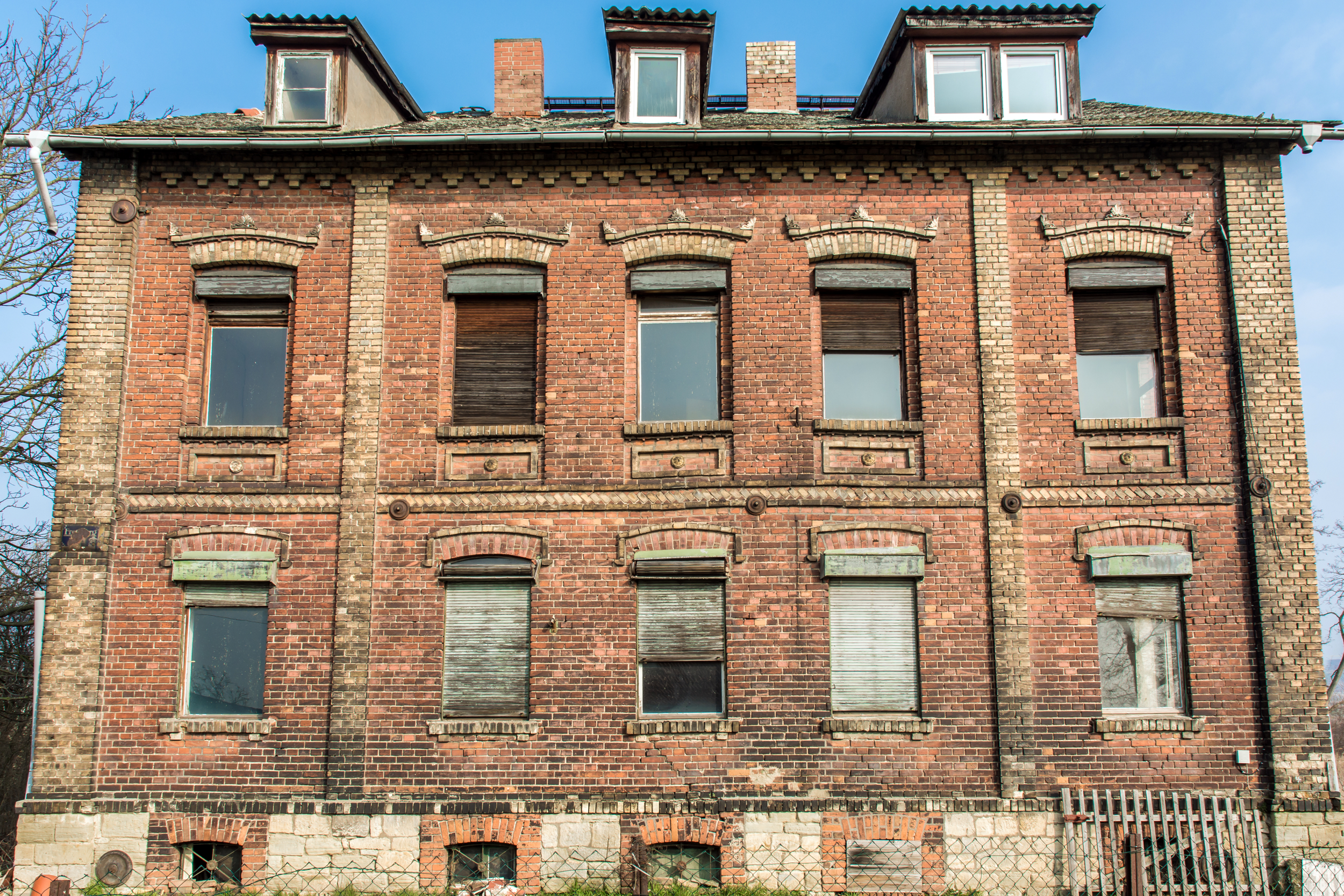
A private homeowner instructed us to investigate a series of defects affecting the rear elevation of a modern home, including cracking to the external masonry and the progressive failure of a bi-fold door installation. What initially appeared to be a collection of isolated issues proved, on closer inspection, to be the result of wider defects in both construction detailing and structural support.
The client required clear, authoritative advice: not only to establish the root cause of the problems, but to understand the relationship between the visible movement, the distortion of the opening, and the failure of the doors themselves. Our brief was to provide an independent assessment that combined technical rigour with practical clarity.
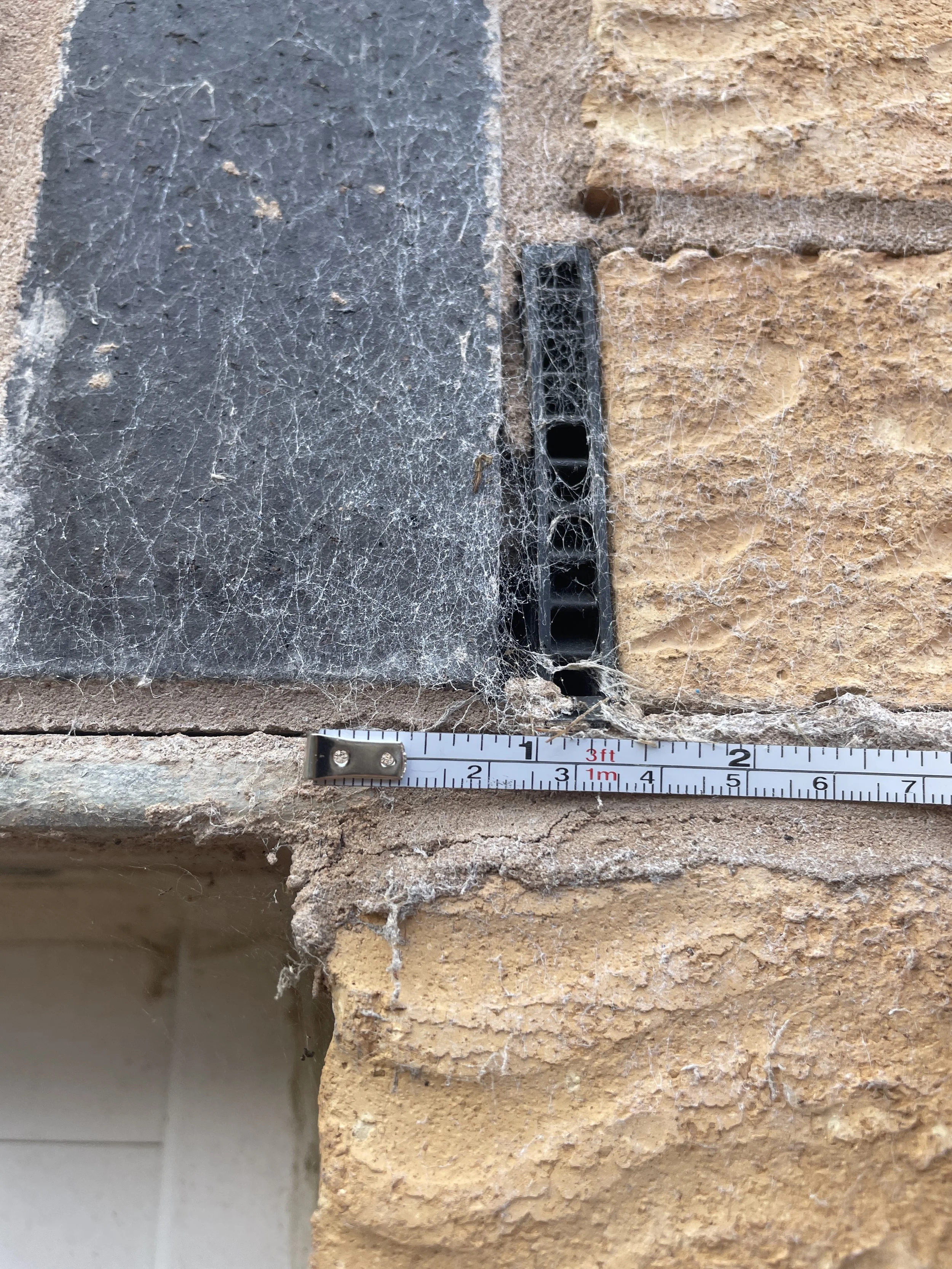
Following a detailed inspection and review of the available background information, we identified significant shortcomings in the way the opening had been formed. The surrounding brickwork had not been constructed using appropriate bonding, with irregular cut bricks and poor load transfer creating a weak point beside the aperture. This had contributed to cracking, localised movement and distortion around the opening.
We also found that the bi-fold doors had been installed in a compromised position, with inadequate support beneath the threshold and insufficient structural bearing to accommodate the weight of the system over time. As movement developed within the opening, the frame had bowed and twisted, leaving the doors misaligned, difficult to operate and no longer capable of performing as intended.
Crucially, this was not a matter of cosmetic snagging or routine adjustment. The defects were rooted in the original construction and installation, meaning that a durable solution required coordinated remedial works rather than superficial repair. Our report set out the defects in clear terms, explained how they had arisen, and identified the remedial strategy needed to restore the opening properly.
For the client, the value of the instruction lay not simply in identifying visible defects, but in gaining confidence in the next steps. By providing an independent, evidence-based assessment, we were able to bring clarity to a technically complex issue and establish a sound basis for remedial action.
Why clients come to us
We are often instructed where defects are disputed, poorly understood or mistakenly treated as isolated problems. Our role is to look beyond the surface, identify the underlying cause and provide clear, credible advice that clients can act upon with confidence.
Project & Contract Management
-
Overview
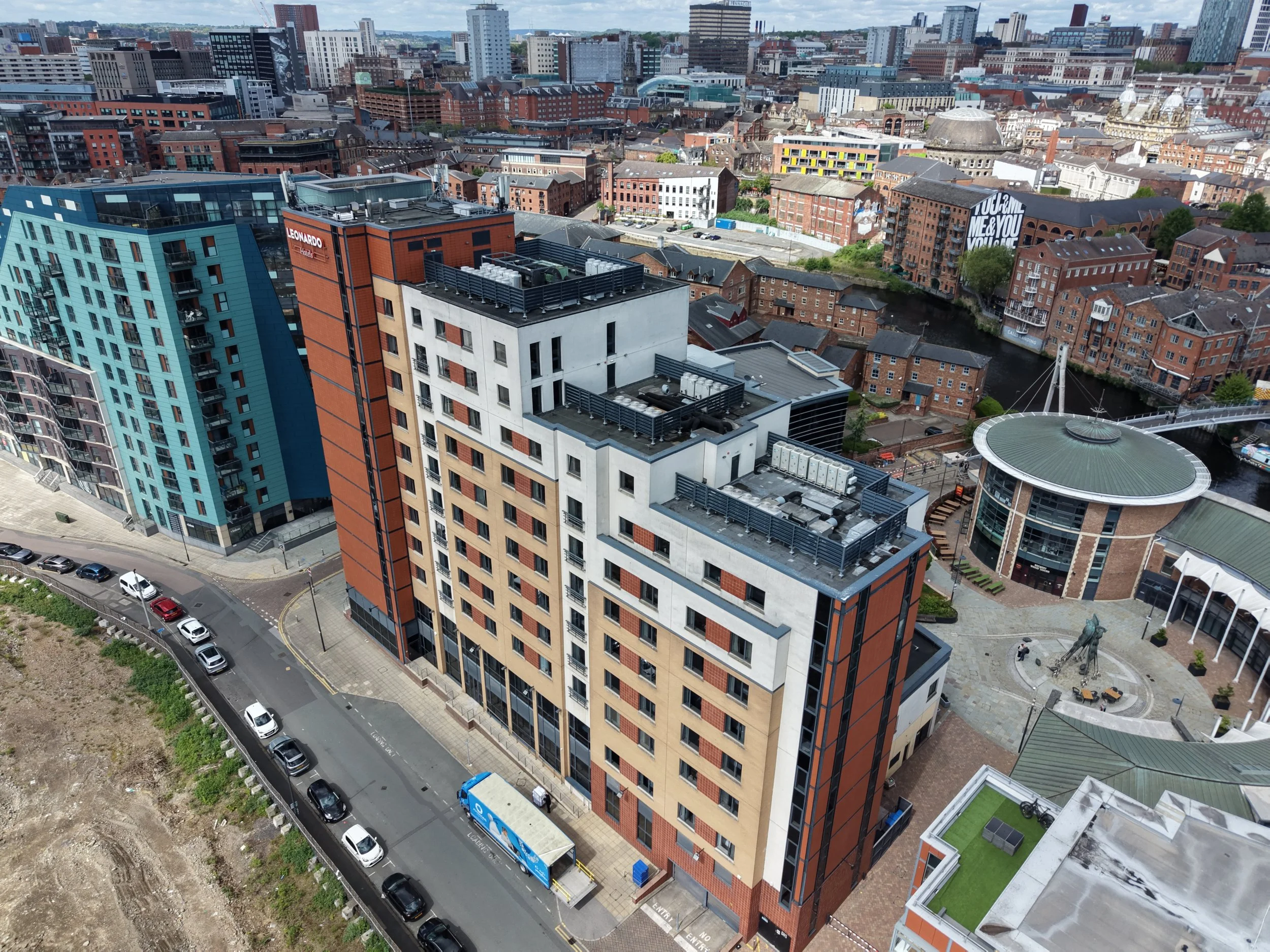
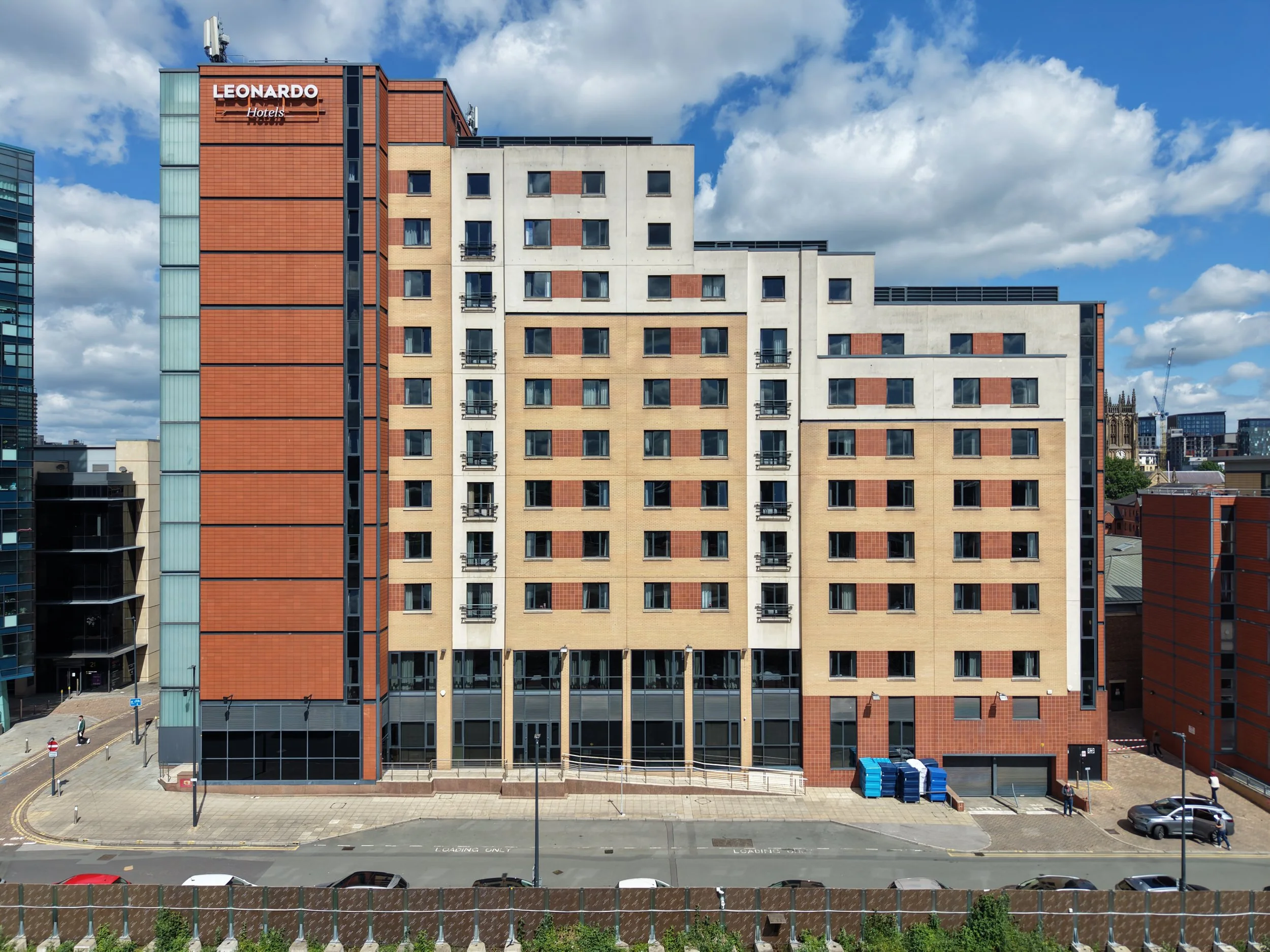
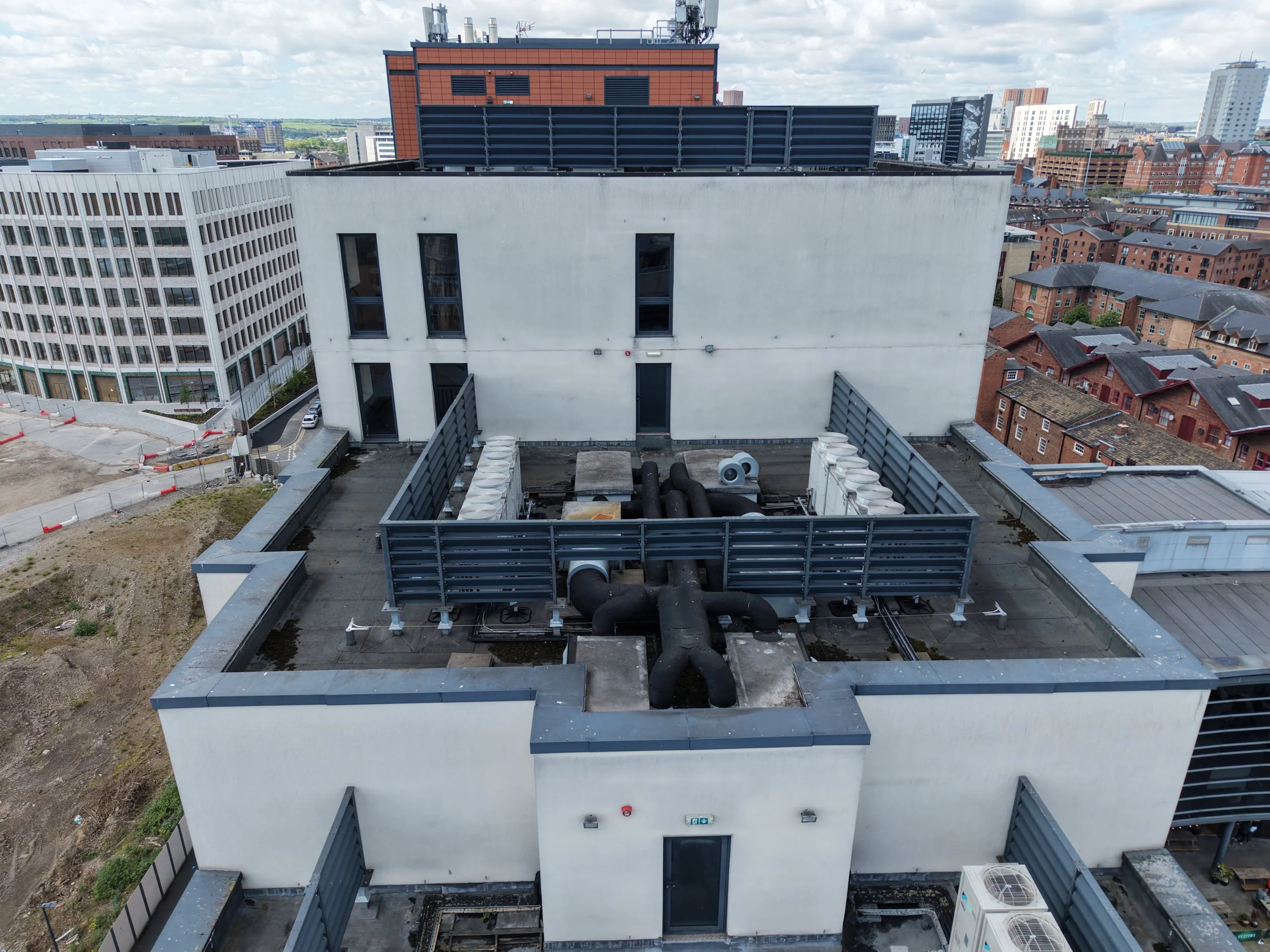
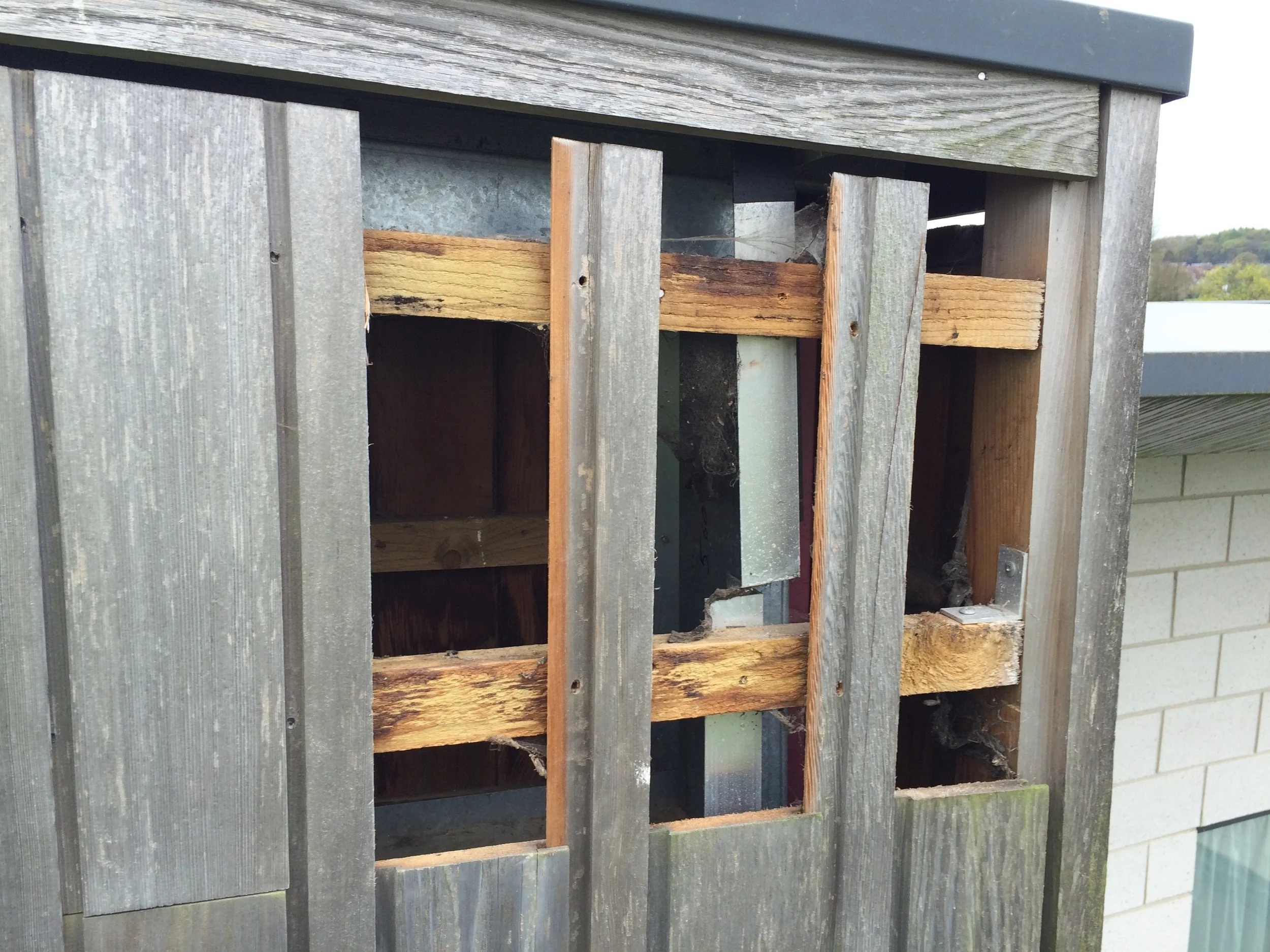
SCC Ltd was appointed to deliver full project and contract management services for a complex, multi-phase refurbishment at a busy hotel in Leeds. The works brought together the replacement of the hotel’s heating and cooling systems with Air Source Heat Pumps (ASHPs), a full roof replacement, and a programme of bathroom refurbishments, all while the hotel remained fully open and operational.
From the outset, the priority was clear: keep the project moving safely and efficiently while protecting the day-to-day guest experience. That meant careful planning, close communication and steady control of programme, cost and logistics at every stage.
Scope of Works
1. Heating & Cooling Replacement – Air Source Heat Pumps
The existing HVAC systems were upgraded to high-efficiency ASHP technology. Delivering this work within a live hotel called for careful coordination across several areas, including:
Careful sequencing of shutdowns to maintain continuity of guest comfort
Coordination with electrical upgrades and new distribution routes
Integration with the hotel’s existing BMS
Close liaison with the hotel’s operations team to minimise disruption
2. Roof Replacement
The project also involved recovering three major roof areas, which brought its own logistical and sequencing challenges, including:
Alignment of roofing works with ASHP installation to avoid rework
Management of crane lifts, access routes and temporary works
Ensuring weatherproofing and guest safety at all times
Coordination with MEP contractors to integrate new penetrations and supports
3. Bathroom Refurbishment Programme
Alongside the wider upgrade works, a rolling programme of guest bathroom refurbishments was delivered in carefully managed phases. The main challenges included:
Programming works around hotel occupancy levels
Ensuring rooms were returned to service quickly
Coordinating trades to maintain a consistent workflow
Managing quality control across multiple identical units
Project Challenges
Tight Programme Requirements
Because the hotel needed to remain operational throughout, the programme had to be tightly phased and actively managed. SCC Ltd:
Developed a detailed, room‑by‑room and roof‑by‑roof programme
Sequenced ASHP installation with roofing works to avoid clashes
Implemented weekly look‑ahead planning with all contractors
Monitored progress daily to maintain momentum and mitigate delays
Cost Control
With several workstreams running at the same time, strong cost control was essential. SCC Ltd:
Established a clear cost plan and tracked all variations
Negotiated value‑engineered solutions without compromising performance
Ensured procurement aligned with programme milestones
Provided transparent reporting to the client team
Stakeholder Management
The project involved a wide range of stakeholders, including:
Hotel management and operations
MEP contractors
Roofing contractors
Bathroom refurbishment teams
Landlords and their surveyors
Local authorities and statutory bodies
SCC Ltd acted as the central point of coordination throughout, keeping communication clear and practical so that all parties remained aligned and the project continued to move forward with confidence.
Outcomes
· New ASHP systems installed successfully, improving energy efficiency and reducing operational carbon
· Full roof replacement completed safely, with hotel operations maintained throughout
· Bathroom refurbishments delivered to programme while maintaining room availability
· No unplanned shutdowns or guest-impact incidents during delivery
· Strong cost control and clear reporting maintained throughout
· A well-coordinated project delivered successfully in a challenging live environment
Summary
This project reflects SCC Ltd’s ability to manage complex, multi-disciplinary refurbishment works in live hotel environments. Through careful planning, close coordination and disciplined control of cost and programme, we helped deliver a high-quality outcome while supporting the hotel’s long-term operational and sustainability objectives.
Drone Surveys
-
Overview
Our Drone Surveys Have Identified
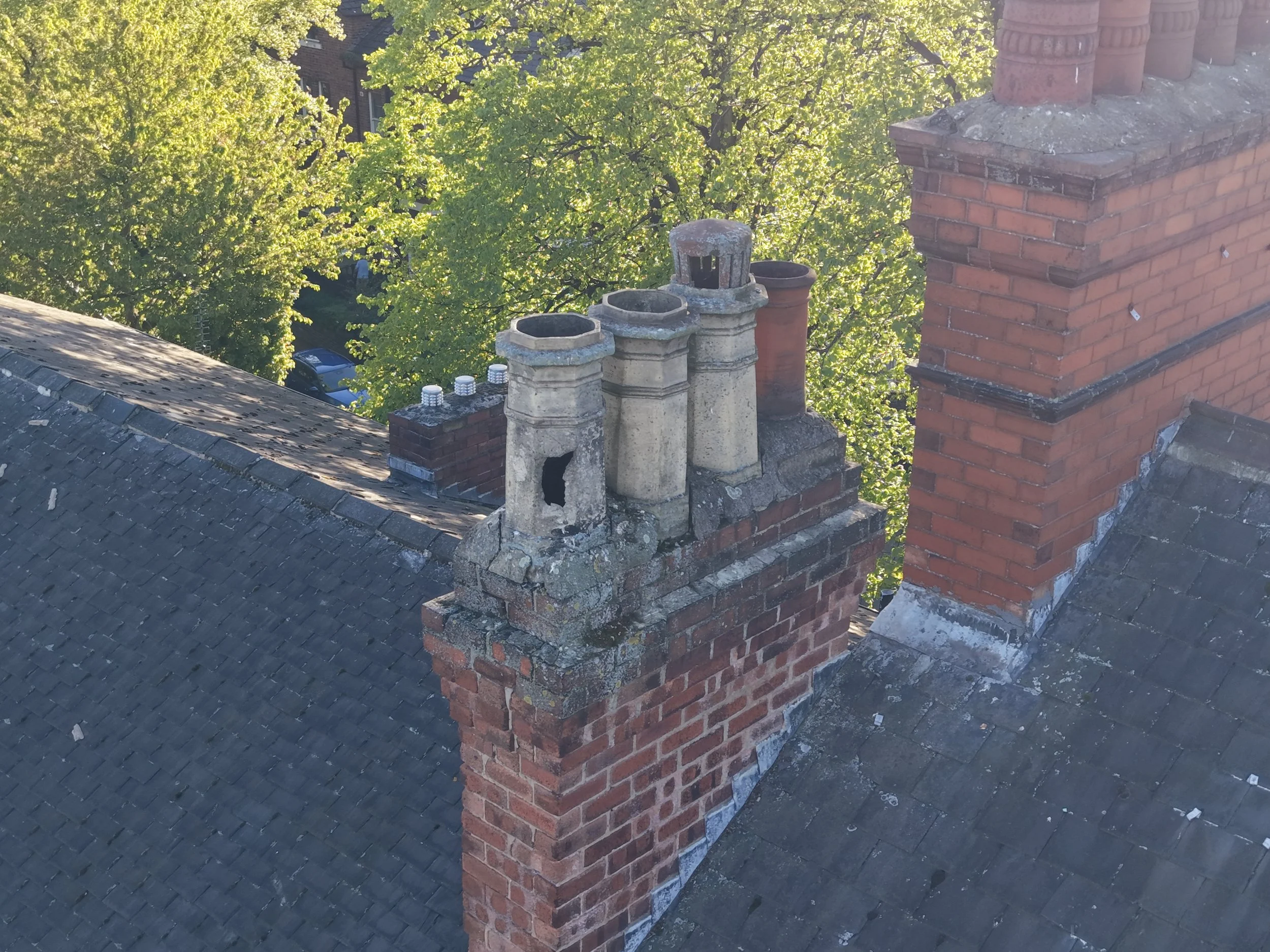
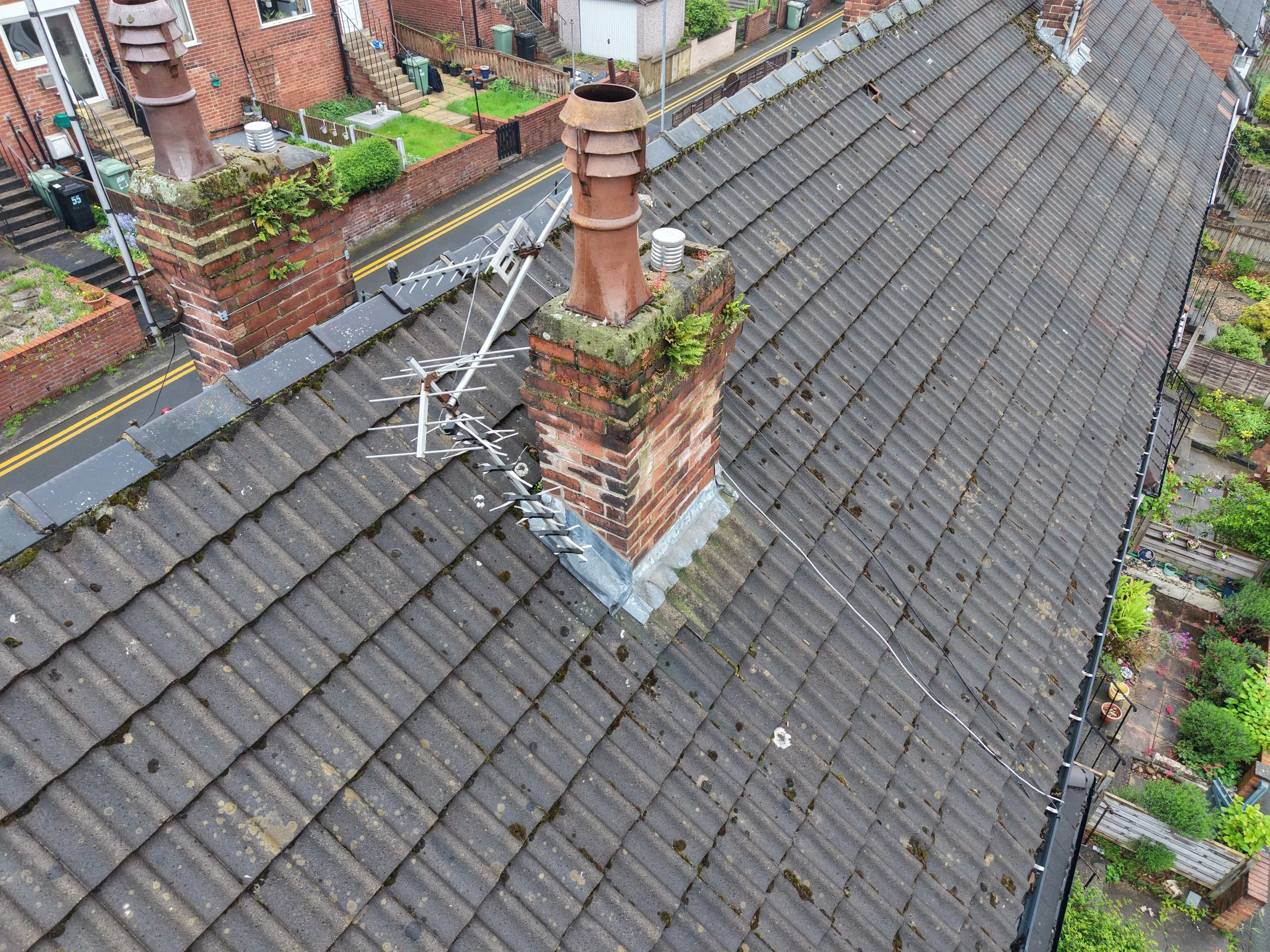
Defective chimney flashing — The lead flashing around the chimney stacks was found to be poorly sealed and deteriorated. While this appeared sound from ground level, close‑range drone imagery revealed gaps and lifting edges that present a clear risk of water penetration.
Vegetation growth — Moss and vegetation were identified across several roof slopes. This was not visible from street level but is significant, as vegetation traps moisture, accelerates slate decay and can obstruct water run‑off.
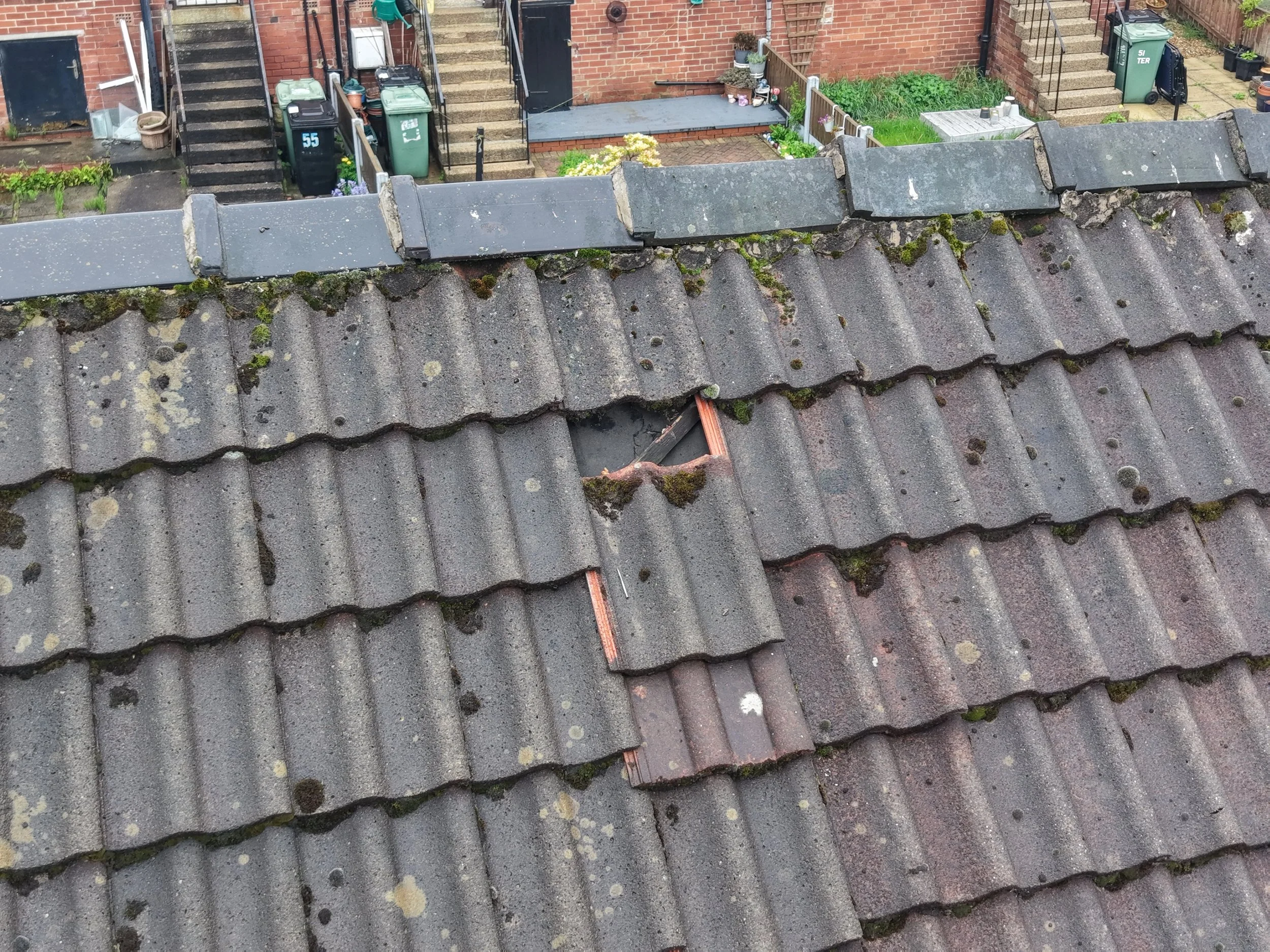
Slipped and displaced slates — Multiple slates had slipped out of position, including one area where displacement had created a visible hole through the roof covering. This defect was completely hidden from ground view and posed an immediate risk of internal water ingress.
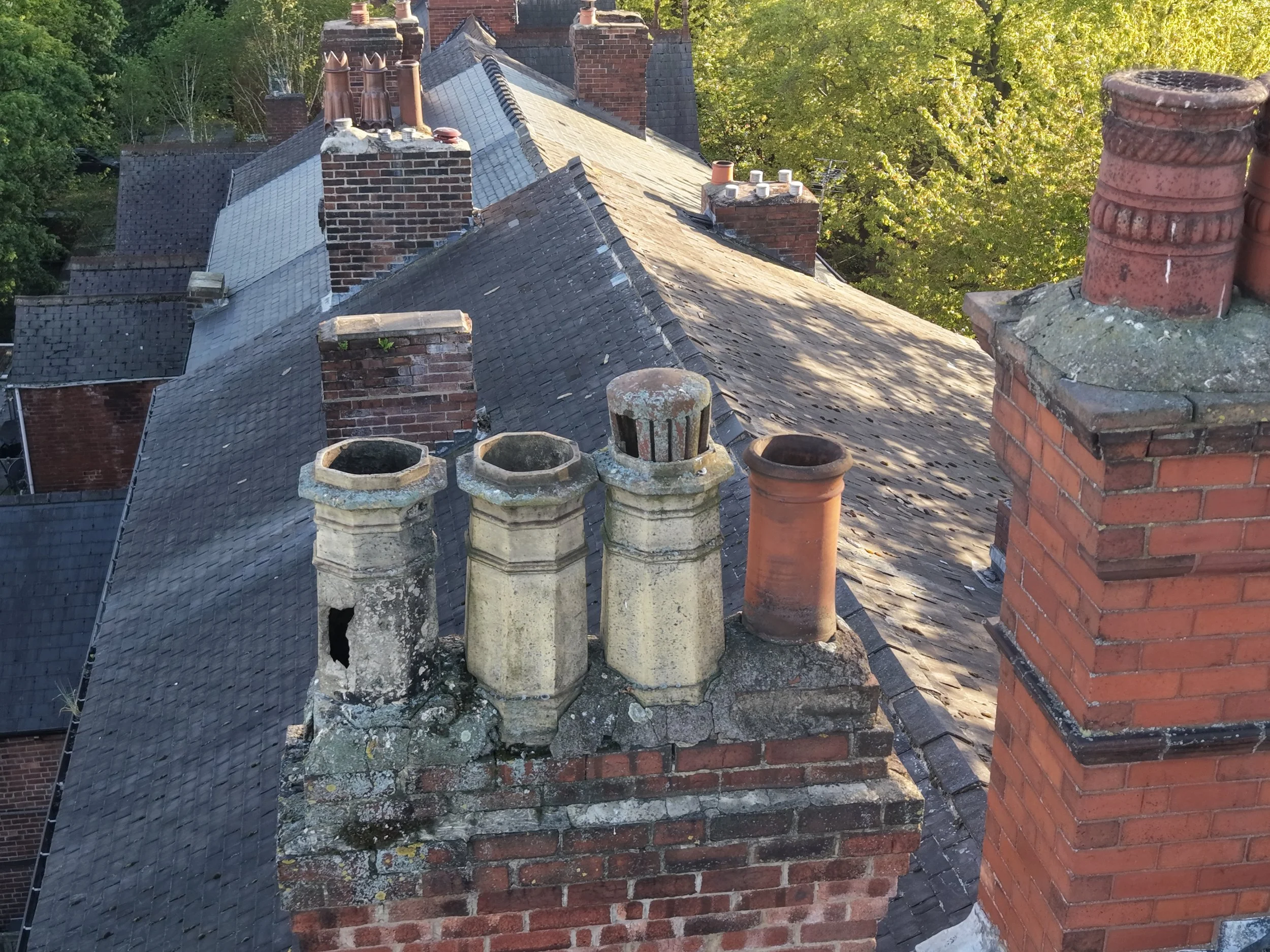
Hole in the chimney stack — A visible opening was identified within the chimney structure itself. This defect was concealed from street level and significantly compromises the chimney’s weather resistance and overall integrity.
Cracking to the brick chimney stack — The drone captured structural cracking through the brickwork, indicating movement and instability within the stack. This level of deterioration cannot be reliably assessed from ground level and requires urgent attention to prevent further failure.